Public Health Priority

Blindness & Vision Loss


A Growing Need for Accessible Eye Care

Vision is essential for education, employment, independence, and quality of life. Yet many people continue to live with preventable vision loss because eye conditions are not detected or treated in time.

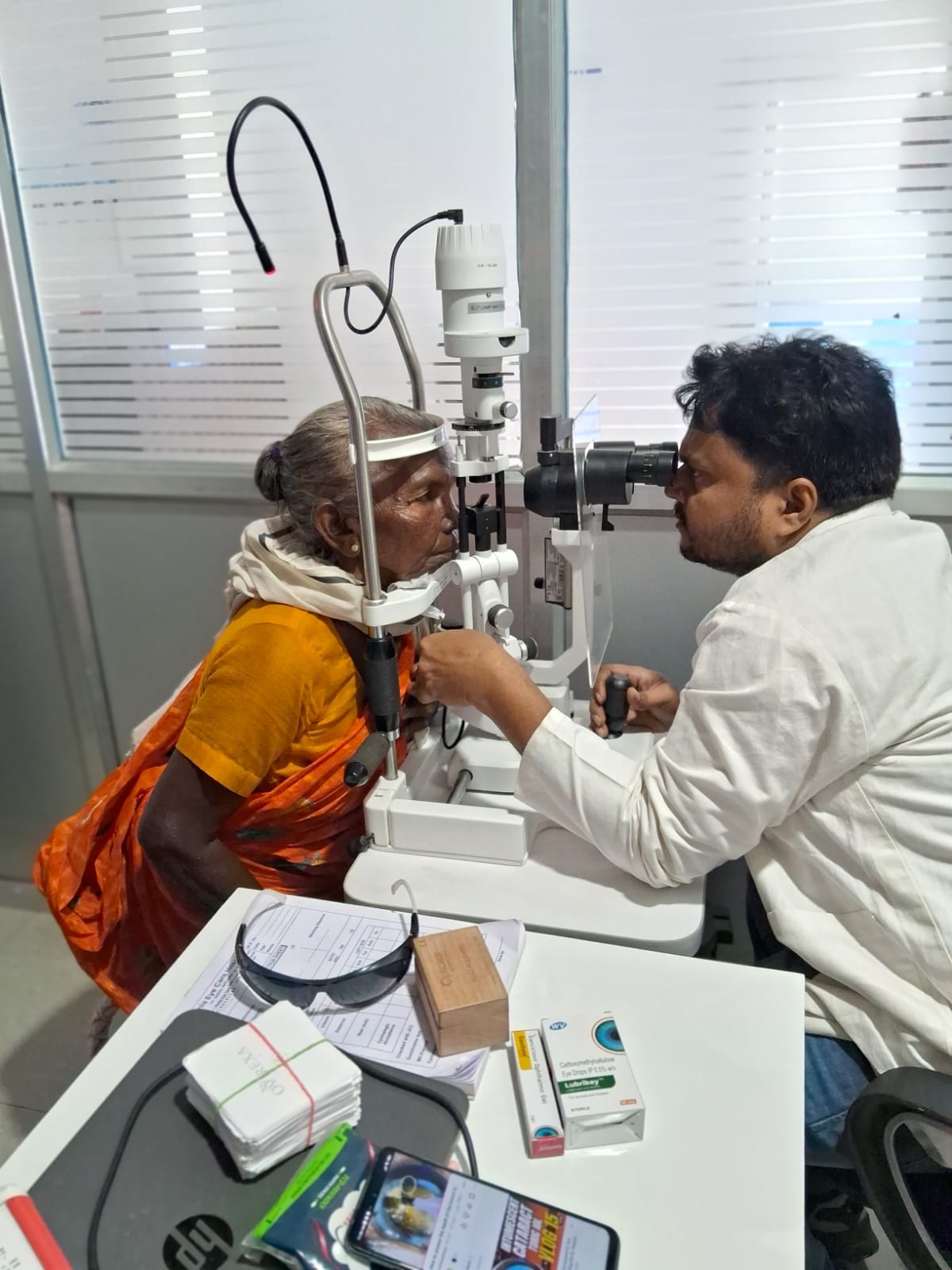
Doctor examining patient with slit lamp

Strengthening Grassroots Eye Care Access

Across the underserved rural and semi-urban areas of Bihar, Jharkhand, northern West Bengal, and western Assam, strengthening access to regular eye examinations, cataract surgery, spectacles, and specialist eye care is an urgent public health priority.

Key Focus Areas: Regular Eye Exams • Cataract Surgery • Subsidized Spectacles • Specialized Ophthalmic Referral
Key Facts About Blindness in India

National Blindness & Visual Impairment Survey (People aged 50 years and above)

1.99%

Prevalence of blindness among people aged 50 years and above.

26.68%

Prevalence of visual impairment among people aged 50 years and above.

92.9%

Of blindness cases in the surveyed population were attributed to avoidable causes.

97.4%

Of visual impairment cases in the surveyed group were attributed to avoidable causes.

Source: National Blindness and Visual Impairment Survey, India, 2015–2019. These figures relate to people aged 50 and above and should not be interpreted as current district-specific estimates.
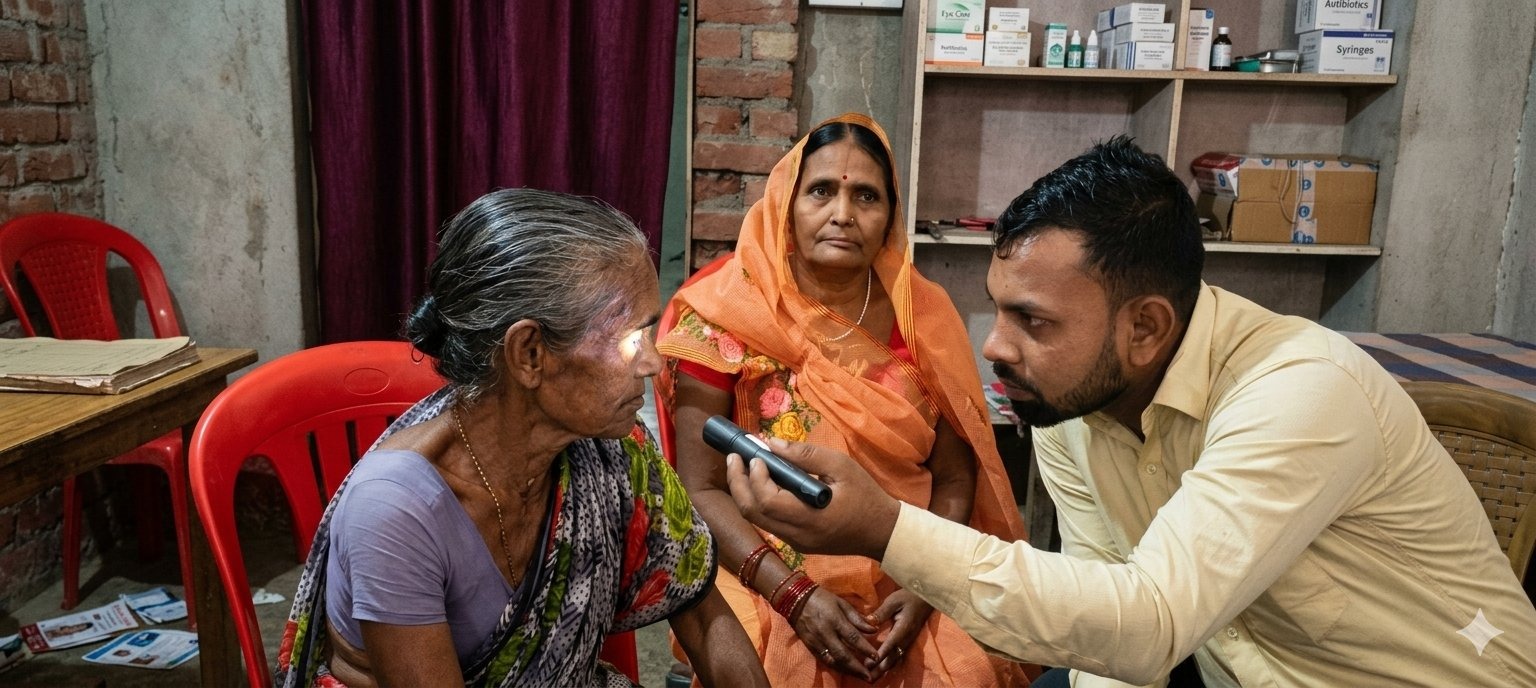
Clinical eye diagnostic testing
Early Diagnosis

Specialist Clinical Screening

Detecting silent conditions like glaucoma and diabetic retinopathy early to prevent permanent optical damage.

Advanced ophthalmic surgical procedure
Restoring Sight

Surgical Cataract Care

Timely micro-incision procedures that restore visual independence, daily function, and human dignity.

Doctor consulting rural community patient
Accessible Care

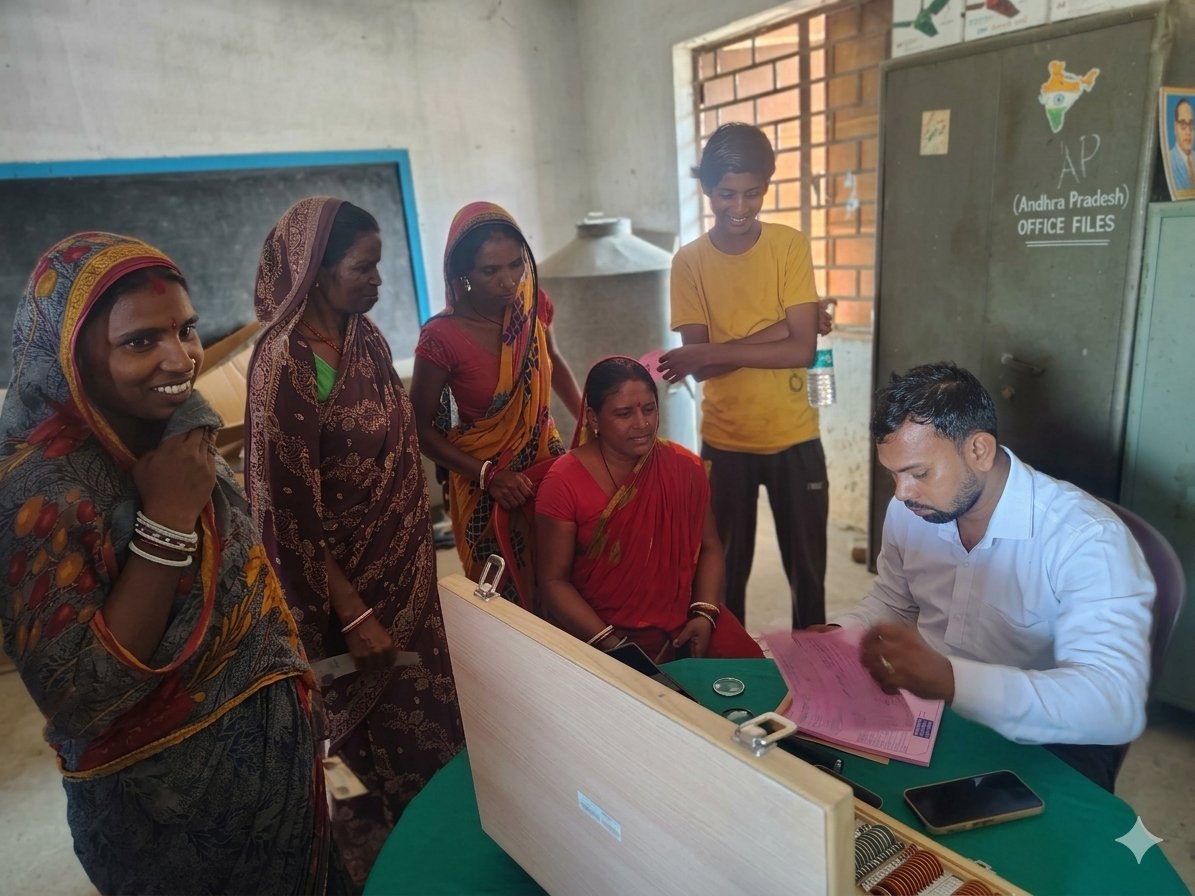
Community Outreach Camps

Taking refraction testing, free spectacle distribution, and doctor consultations directly to remote villages.

Common Barriers to Timely Treatment

Even when treatment is available, people may not receive it at the right time. Common barriers that community eye-care programmes must investigate and overcome:

Limited Awareness

People may consider gradual vision loss a normal part of ageing rather than an identifiable and treatable medical condition.

Travel & Accessibility

Distance, transport availability, and the need for an accompanying family member may make hospital visits difficult.

Financial Constraints

Travel expenses, lost daily wages, medicines, spectacles, and other indirect costs can discourage patients from seeking treatment.

Delayed Diagnosis

Conditions such as glaucoma may remain completely undetected until substantial and irreversible optic nerve damage has occurred.

Lack of Follow-up

Patients may not return for post-operative care, ongoing eye drops/treatment, or necessary specialist evaluation.

Information Gaps

Communities may not know where affordable, trustworthy, and appropriate eye-care services are readily available.

The Government of India's blindness-control programme has identified limited awareness and access to treatment in remote areas as important challenges in addressing cataract blindness.